







Search Results for: Hot and Iced Flavor
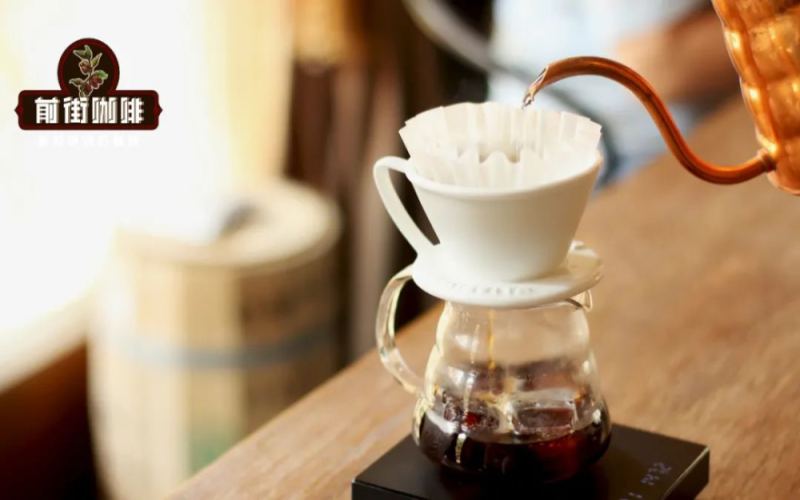
A Complete Analysis of the Flavor Differences Between Iced and Hot Pour-Over: Which Coffee Beans Are Better for Iced Brewing?
During the National Day holiday, many coffee enthusiasts visited the shop to buy coffee beans and also asked Front Street about a common confusion: the same beans, when brewed as hot pour-over, have excellent aroma and taste, but when made into iced pour-over, the flavor becomes vague, the mouthfeel is thin, and it even tastes like water. Why exactly is this? Front Street selected four coffee beans with different styles and conducted hot pour-over and iced pour-over extractions respectively, comparing them from the three dimensions of aroma, flavor, and mouthfeel. This article will take washed medium-light roast, natural medium-light roast, dark roast, and fermented beans as examples, presenting the true performance of each under the two brewing methods one by one, and deeply analyze the reasons why iced pour-over flavor becomes weaker. Finally, it will give suggestions for selecting coffee beans suitable for making iced pour-over, helping everyone enjoy a rich yet refreshing iced coffee even in hot weather. [more…]

An Analysis of the Flavor Differences Between Iced and Hot Americanos: From the Chain of Contempt to a Complete Overview of the Iced Coffee Family
Should you choose hot or iced coffee? A hot Americano is made with drip coffee or espresso plus hot water, pursuing convenience and casualness, with a light and subtly sweet taste; an iced Americano pours hot-brewed espresso over ice cubes and cold water, with the ratio adjusted to your liking—the more water, the weaker the flavor. There's even a hierarchy of disdain circulating in the coffee world—pour-over enthusiasts think Americanos are just watered-down coffee, while hot coffee drinkers see iced coffee as an oddity, and ordering an iced Americano might even earn you scorn. Besides iced Americanos, other iced black coffees like cold brew, ice drip, and nitro cold brew have also entered the scene—what exactly sets them apart? This article explains it all at once. [more…]

Iced Pour-Over Coffee Bean Selection Guide: Flavor Differences Between Hot and Iced Brewing and Front Street Coffee's Recommended Bean List
In the heat of summer, iced pour-over coffee becomes the top choice for many coffee lovers. But not all coffee beans are suitable for iced brewing, and there are clear differences in flavor and mouthfeel between hot pour-over and iced pour-over. Starting from Front Street Coffee's actual brewing methods, this article compares in detail the differences between iced pour-over and hot pour-over in grind size, coffee-to-water ratio, water temperature, and pouring technique, and uses three beans—Front Street Ethiopia Huakui, Brazil Queen's Estate Yellow Bourbon, and Indonesia Golden Mandheling—for flavor comparisons. It also sorts out the types of coffee beans suitable and unsuitable for making iced pour-over, and recommends standout beans such as Front Street Ethiopia TOH Washed Champion Bean Huaxu, Front Street Strawberry Candy, Front Street Blackberry, Front Street Colombia Sidra, and Front Street Big Belly, helping you choose the right beans in summer and make a clean, refreshing cup of good coffee. [more…]
Why Does Iced Pour-Over Coffee Taste Weaker? A Comparative Analysis of Hot and Cold Extraction with Four Different Coffee Bean Styles
Both are pour-over coffees, but just how big is the difference in taste between the hot version and the iced version? Many coffee enthusiasts have noticed that certain beans, when brewed hot, are full of aroma and layered with complexity, yet once turned into iced pour-over, they become as bland as water. To get to the bottom of this, Front Street Coffee selected four coffee beans with distinctly different profiles and brewed each as both hot pour-over and iced pour-over, comparing them one by one across three dimensions: aroma, flavor, and mouthfeel. This article not only presents the detailed comparison results, but also starts from the principles of extraction to explain why iced pour-over tends to lose flavor, and offers advice on selecting coffee beans suitable for making iced pour-over. [more…]

Analysis of Hot vs. Cold Flavor Differences in Pour-Over Coffee: Which Coffee Beans Are Better for Iced Pour-Over?
Front Street's store bean list is extensive, and many customers face a dilemma after choosing their coffee beans: should they make a hot pour-over or an iced pour-over? What exactly is the difference in flavor between the two? This article starts from Front Street's actual brewing parameters, analyzes the construction logic of iced pour-over, and conducts a hot-versus-cold comparison using four representative coffee beans—Ethiopia TOH Uraga, Papua New Guinea Bird of Paradise, Indonesia Golden Mandheling, and Colombia Flower Moon Night—evaluating them across three dimensions: aroma, flavor, and mouthfeel. The results show that hot pour-over generally has the advantage in aroma richness and layering, while iced pour-over is more popular in summer thanks to its cold-drink appeal. The article also points out that light-roast and anaerobic-process coffee beans are more suitable for making iced pour-over, while medium-dark roast beans are not very suitable. [more…]

Why Is Iced Americano So Popular? How Do Hot and Iced Americanos Differ in Flavor and Effects?
No matter the season, people who walk into a coffee shop and order an Americano tend to choose it iced. Why is iced Americano so popular? Isn't hot Americano just as aromatic? After talking with many customers, Front Street Coffee found that people's preference for iced Americano mainly comes down to three reasons: the younger generation's natural liking for cold drinks, the lower perception of bitterness in iced Americano, and its refreshing, palate-cleansing taste experience. So, is there actually any difference between hot and iced Americano in terms of flavor expression and practical effects? This article will use the same coffee beans, the same extraction parameters and ratios, and prepare Americanos with three water temperatures—high, room, and low—for a side-by-side comparison, analyzing them from dimensions such as aroma, taste, and mouthfeel, while also offering recommendations on suitable coffee beans for making Americano. [more…]
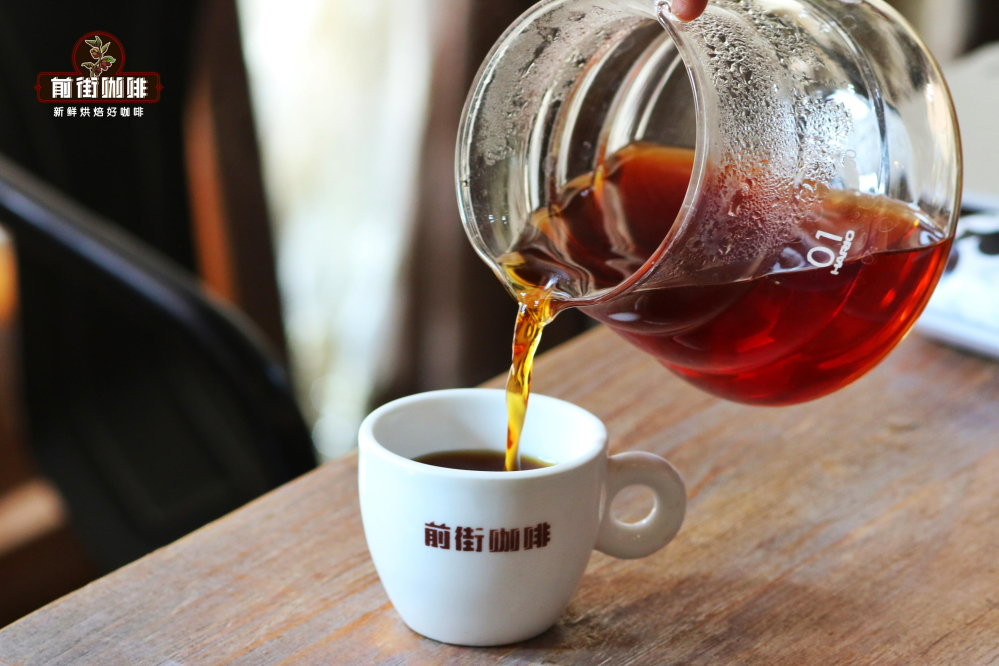
Types of Black Coffee | Which Has More Caffeine and Is More Refreshing, Iced Coffee or Hot Coffee? Iced Americano or Hot Americano—Which Tastes Better? How Does Temperature Affect the Flavor and Mouthfeel of Americano?
Which has more caffeine and is more invigorating, iced coffee or hot coffee? Many people would answer that hot coffee is more invigorating. But in fact, whether coffee is invigorating has little to do with it being cold or hot; it depends more on the caffeine content of the coffee variety and the amount of caffeine extracted during brewing. If the same coffee beans are used, extract [more…]

Why Is Iced Cappuccino So Hard to Find? A Detailed Explanation of Espresso-to-Milk Ratios and the Differences Between Iced and Hot Preparation Methods
When ordering at a café, many customers notice that iced cappuccino isn't on the menu, and may even be told by the barista that "cappuccino isn't made iced." Behind this are both flavor considerations and the cumbersome production process. Starting from real conversations at Front Street Coffee's physical stores, this article analyzes the two core characteristics of hot cappuccino—thick milk foam and rich coffee flavor—and, using the classic blend as an example, discloses the complete parameters: 20g of grounds extracted into 40ml of espresso, 140–150ml of refrigerated milk whipped into 3cm of milk foam, and a milk temperature of 65°C. It also compares the similarities and differences between iced cappuccino and iced latte, explaining why iced milk foam is time-consuming and labor-intensive yet struggles to improve the taste, as well as the改良 attempts some cafés make by dusting cocoa powder or substituting cream. [more…]
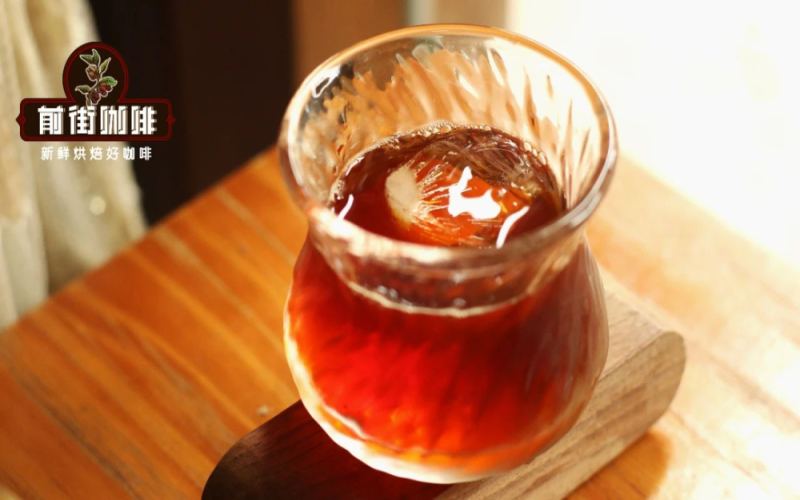
How Is Iced Pour-Over Different from Hot Pour-Over? Coffee-to-Water Ratio, Brewing Logic, and Front Street Coffee Bean Recommendations
As temperatures rise, the choice between iced pour-over and hot pour-over has become a topic of interest for many coffee lovers. The same bean, brewed as a hot drink or a cold drink, takes on completely different flavor directions. Behind this lie two different brewing logics: hot pour-over uses a full coffee-to-water ratio to extract and showcase the bean's original layers; iced pour-over reduces the water amount, increases extraction efficiency, and then relies on ice cubes to dilute and cool it down. Understanding these differences can help you more accurately judge how a bean is best brewed. This article will compare brewing principles, flavor expression, aroma characteristics, and more, and will also include Front Street's bean list recommendations for different taste preferences, so you can still enjoy the cup you love even in the heat of summer. [more…]
Why has iced Americano become a perennial favorite in coffee shops? A full analysis of the flavor differences between hot and iced Americano
Walking into any coffee shop, regardless of the season, iced Americano orders always remain consistently high. Why do more and more consumers prefer iced Americano? Isn't hot Americano just as good? After talking with many customers, Front Street Coffee found that people's reasons for choosing iced Americano mainly fall into three points: the younger generation's natural preference for cold drinks, low temperature can weaken bitterness, and the refreshing, palate-cleansing experience that iced Americano brings. This article will start from the compositional principles of Americano, using the same coffee beans, the same extraction parameters and ratios, and preparing Americano with three water temperatures—hot, room temperature, and cold—to compare their differences in aroma, taste, and mouthfeel, and to explore the influence of coffee bean roast level on Americano performance, finally offering selection suggestions suitable for different groups of people. [more…]

Can iced pour-over coffee be brewed directly with ice water? A detailed explanation of the extraction principles and parameters of Japanese-style iced pour-over and hot pour-over
Many people, when first encountering iced pour-over, have this thought: since hot americano uses hot water and iced americano uses ice water, then if hot pour-over uses hot water, shouldn't iced pour-over just use ice water directly? This idea sounds reasonable, but pour-over extraction is far from that simple. This article will first clarify the underlying logic of extraction, then explain why brewing with ice water is theoretically feasible but almost no one actually does it in practice, followed by an analysis of the relationship between Japanese-style iced pour-over and hot pour-over, complete parameters from Front Street Coffee for both hot and iced brewing, and finally a real result from an ice water brewing experiment, for coffee enthusiasts' reference. [more…]
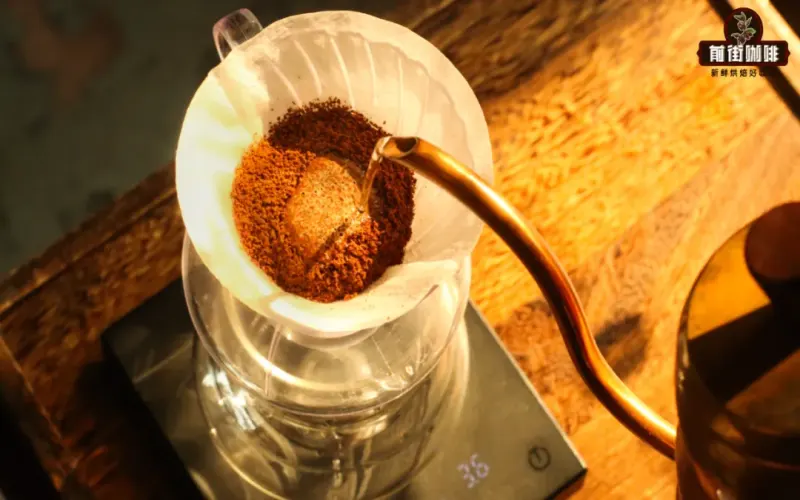
An Analysis of Flavor Differences Between Hot and Iced Pour-Over Coffee: A Professional Tasting Comparison from Temperature to Brewing Parameters
When buying coffee beans at a coffee shop or a Front Street location, many coffee enthusiasts ask the same question: for single-origin pour-over coffee, is it better hot or iced? Why is the flavor of hot pour-over coffee often more intense and prominent than iced pour-over? This article will start from the effects of coffee temperature on taste bud perception and aroma volatilization, deeply analyze why hot drinks make it easier to taste flavor, and at the same time explain the special adjustments in brewing parameters for iced pour-over—how operations such as reducing the amount of water, increasing the ratio of grounds to ice, and grinding finer affect the final flavor performance. The article also takes Front Street Ethiopia Huakui as an example, separately presenting a comparison of tasting results between hot brewing and iced brewing, to help readers fully understand the respective flavor characteristics and suitable scenarios of the two brewing methods. [more…]

How to Determine the Water-to-Coffee Ratio for Iced Pour-Over Coffee? An Analysis of Ice Placement Timing and a Complete Brewing Plan
Iced pour-over coffee, with its refreshing and palate-cleansing taste, has become a favorite among many coffee enthusiasts. But to make a delicious iced pour-over, the key lies in setting the water-to-coffee ratio and how you use the ice. Unlike hot pour-over, iced pour-over requires first extracting a highly concentrated hot coffee liquid, then diluting and cooling it with ice, so the coffee-to-water ratio, pouring amount, and ice quantity all need to be readjusted. This article will explain in detail the brewing approach for iced pour-over, suitable coffee bean choices, and the parameter scheme used by Front Street Coffee in actual practice, helping you easily recreate a cup of iced pour-over with complete flavor at home. [more…]
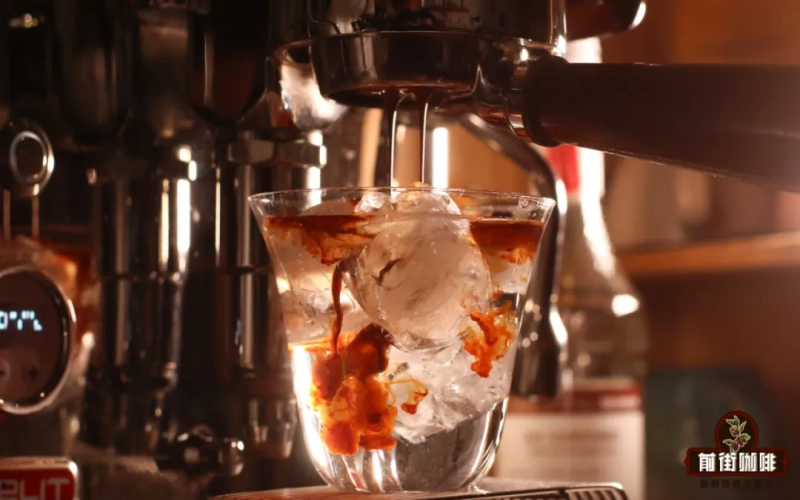
Why Is Hot Americano More Bitter Than Iced Americano? A Comprehensive Analysis of Brew Ratios and Pouring Order
Hot Americano is often complained about for being "more bitter than life itself," while an iced Americano made from the same base goes down much more easily. Where exactly does this difference come from? This article takes a deep dive into the reasons why hot Americano stands out for its bitterness, examining three dimensions: the effect of temperature on taste, coffee bean roast level, and brew strength. It also provides the standard Americano coffee-to-water ratio and brewing recommendations. At the same time, Front Street Coffee has put together a list of espresso beans suitable for making Americano, from classic blends to floral-and-fruity SOEs, to help you find the cup that suits you best. Finally, we also objectively present the unique flavor advantages of hot Americano, and invite you to vote: iced Americano, hot Americano, or room-temperature Americano? [more…]
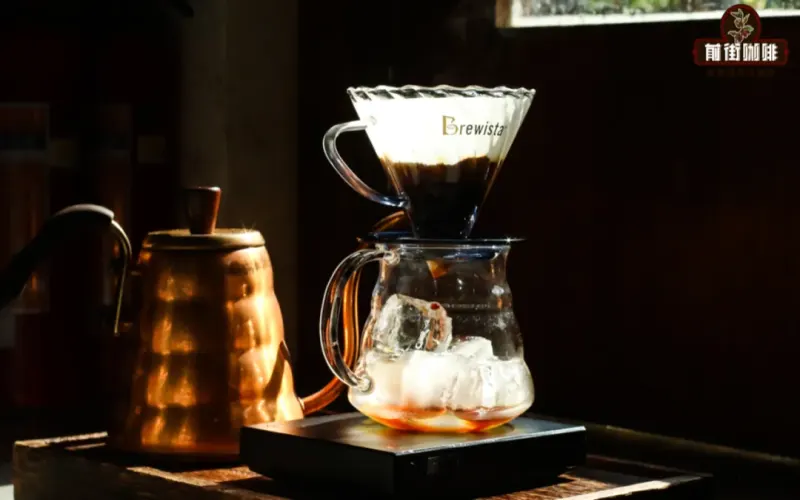
How much coffee powder should be used for iced pour-over? What exactly is the core difference between it and hot pour-over?
Many coffee shops price iced pour-over higher than hot pour-over, and the reason behind this is not that it is more laborious to make, but that it requires more coffee grounds. So why must iced pour-over use more grounds? And how exactly should the dose be adjusted? This article starts with the differences in parameters between hot and iced pour-over shared by Front Street Coffee, explaining the principle that iced pour-over reduces the amount of water poured and increases concentration to offset dilution from ice, while also explaining the flexible changes in the coffee-to-water ratio under different ice melting speeds, as well as the practical impact of adding more grounds on liquid volume and mouthfeel. At the end, it also includes buying considerations for iced pour-over coffee beans and Front Street Coffee's specific bean list recommendations, for friends who want to try it themselves. [more…]
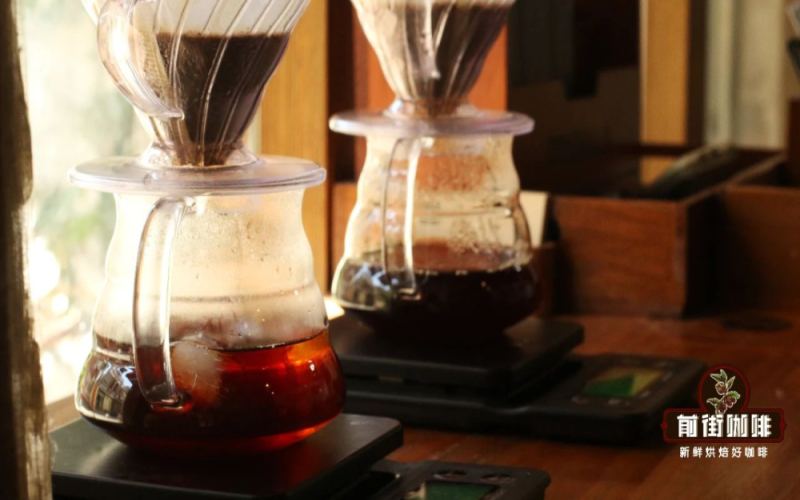
Iced Pour-Over Coffee Brewing Guide: Grind Size, Coffee-to-Water Ratio, and Key Differences from Hot Pour-Over
On a hot summer day, iced coffee becomes the top choice for many people to beat the heat. Although cold brew and ice drip offer outstanding flavor, they take a long time, so making a fresh cup of iced pour-over is undoubtedly a more convenient option. Many coffee enthusiasts, when watching baristas at cafés, are often curious about the coffee dose, ice-to-water ratio, water temperature, and pouring technique. Front Street Coffee has summarized a simple and practical iced pour-over formula for you: coffee grounds (fine grind) paired with 10 times hot water and 5 times ice. Compared with hot pour-over, iced pour-over requires adjusting the grind size to extend extraction because less hot water is used, avoiding insufficient flavor. This article will explain in detail the complete process and key parameters of iced pour-over, helping you easily recreate café-level iced pour-over at home. [more…]

The Hot vs. Cold Debate in Pour-Over Coffee: Why Hot Brewing Reveals a More Complete Flavor Layering
In the world of pour-over coffee, the choice between hot and cold drinks often sparks discussion. Many baristas recommend hot pour-over, not because iced pour-over doesn't taste good, but because hot brewing delivers a more complete flavor experience. Drawing on the practices at Front Street Coffee, this article analyzes the principles by which iced pour-over, through cooling with ice, leads to dilution of concentration and reduced extraction efficiency, and uses comparative experiments to demonstrate the actual gap between hot and iced brewing in aroma and flavor. At the same time, the article also explores the possibility of adjusting parameters to enhance the flavor of iced pour-over and the risks involved, helping coffee enthusiasts understand the characteristics of different brewing methods so they can make choices better suited to their own needs. [more…]

What Are the Differences Between Iced Americano and Hot Americano? An Analysis of Americano Brewing Methods and Flavor Comparison
Whether Americano should be drunk iced or hot has always been a hotly debated topic in coffee circles. Judging by market choices, iced Americano seems to have the upper hand, with noticeably more buyers than hot Americano. It's the same espresso with water added—why does merely a difference in water temperature make a cup of coffee present a completely different face? This article will use Front Street Coffee's actual comparative tests to analyze the specific differences between iced and hot Americano from the angles of brewing method, aroma expression, and mouthfeel layers, and explain how human senses perceive sourness, sweetness, and bitterness differently at various temperatures, helping you find the cup that better suits your taste. [more…]

Little difference between hot and cold coffee in refreshing effect; from the perspective of aroma, taste, and extraction principles, how should you choose between Americanos?
Many people assume that hot coffee is more effective at boosting alertness than iced coffee, but what really affects alertness is the caffeine content of the coffee beans themselves and how much of it is extracted during brewing. With the same beans, the longer the extraction time, the more caffeine is released, so when you need a quick pick-me-up, cold brew or pour-over drip are both viable options. Americano is currently the most popular coffee drink, and iced Americano accounts for the vast majority of those, but hot Americano performs better in aroma, flavor fullness, and body. Front Street Coffee used its Warm Sun blend to compare hot, room-temperature, and iced Americanos, and found that hot Americano had the best aroma, while iced Americano was more refreshing and smooth. This article, from the perspectives of the science of alertness, flavor differences, and brewing suggestions, helps you find the cup that suits you best. [more…]
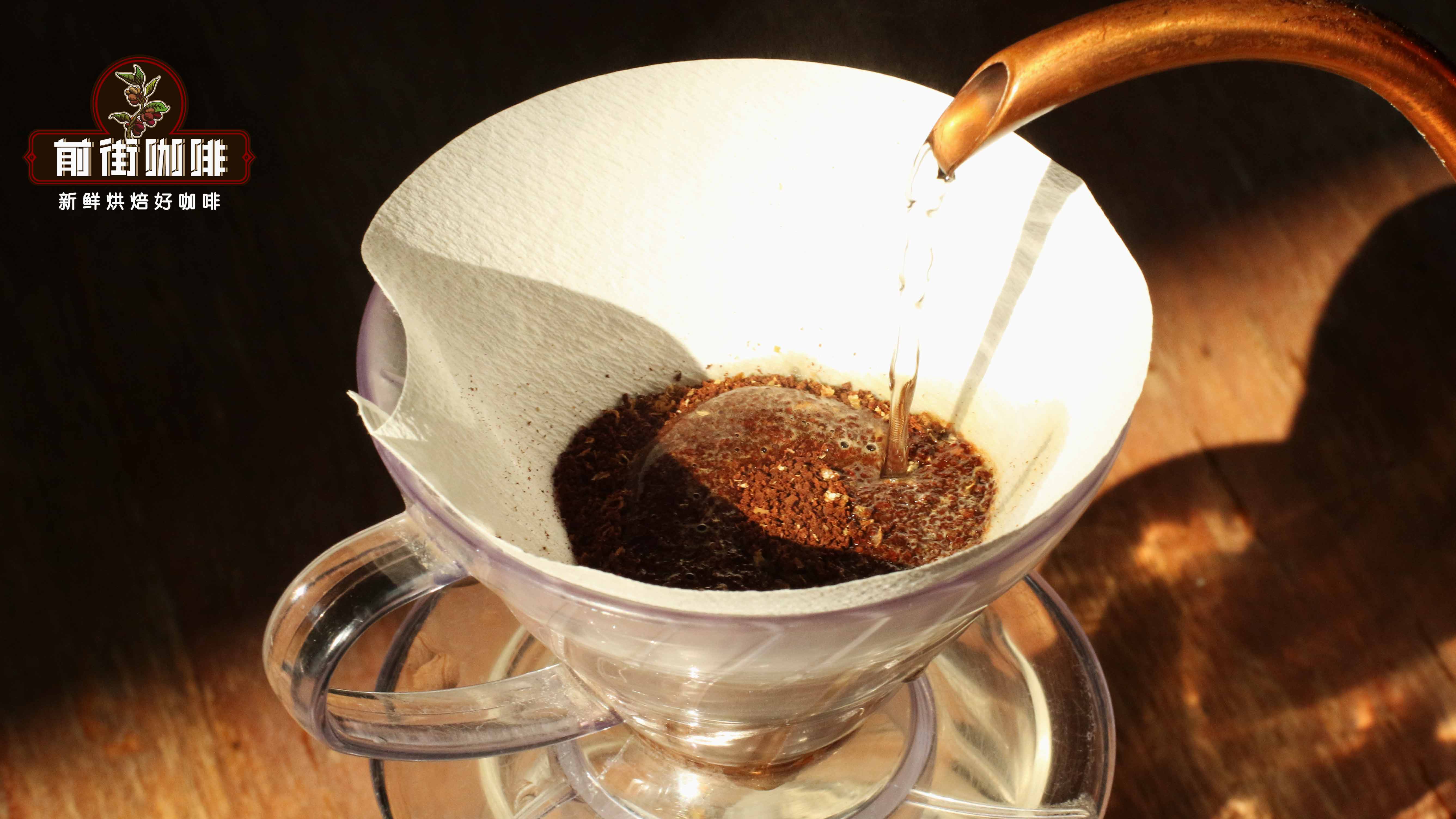
The Hot vs. Cold Pour-Over Coffee Debate: Why Choose Hot Brewing to Taste the Bean's True Flavor? The Principles of Japanese-Style Iced Pour-Over and Bean Selection Tips
Pour-over coffee, with its efficiency and convenience, has become a signature offering at many cafés. Brewed from the same bag of beans, hot and iced pour-over deliver completely different experiences. Drawing on everyday inquiries at Front Street stores, this article breaks down the differences between hot pour-over and Japanese-style iced pour-over in terms of grind size, water temperature, coffee-to-water ratio, and other parameters, explaining why hot pour-over has the edge when pursuing complete flavor, while also acknowledging the strengths of iced pour-over in cleanliness and refreshing crispness. At the end, it organizes pour-over bean recommendations from Front Street suited to different taste preferences—including Xizhua, Huakui, Strawberry Candy, as well as PWN Golden Mandheling, Queen's Estate, and Bird of Paradise—to help enthusiasts choose according to their needs. [more…]